

End of life, by design
The best packaging disappears
EarthCleanse products are made to return to the soil. Here's exactly how to compost each one, at home or industrially.
Two paths
Home vs. industrial composting

Most of our natural ranges compost at home; some (like PLA) need industrial facilities.
Home Compost
- Break the item into smaller pieces (faster breakdown).
- Add to your home compost or garden bin with food scraps and browns.
- Keep it moist and turn occasionally.
- Within weeks it becomes compost, with no plastic to separate.
Industrial composting
- Check that your area has a municipal/commercial composting service.
- Place accepted items in your compost/organics collection.
- Industrial heat breaks items down faster and handles PLA.
- When unsure, check local acceptance rules first.
By material
Which composts where

| Material | Home compost | Industrial | Approx. time* |
|---|---|---|---|
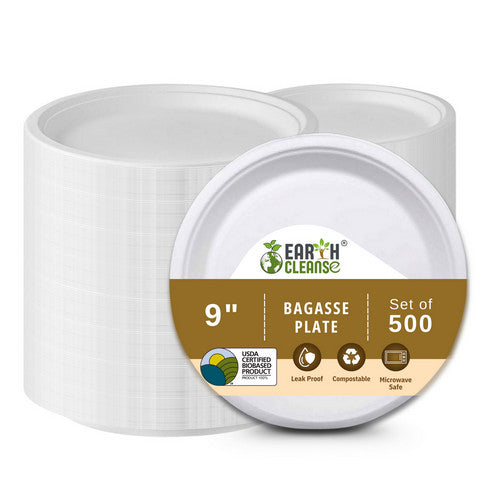
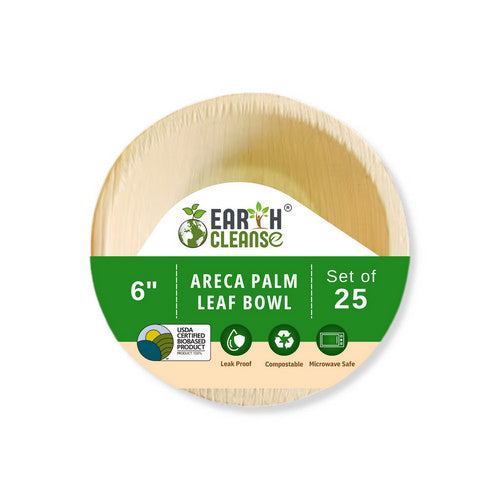
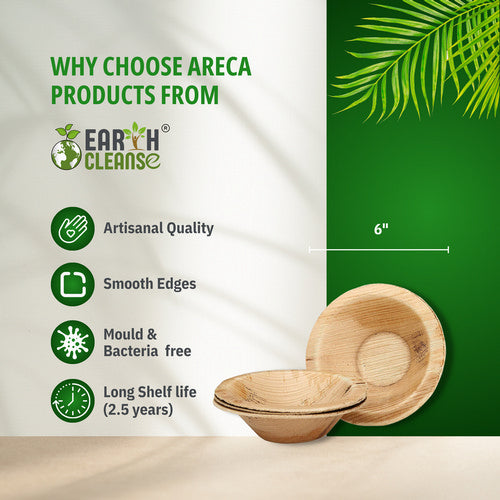
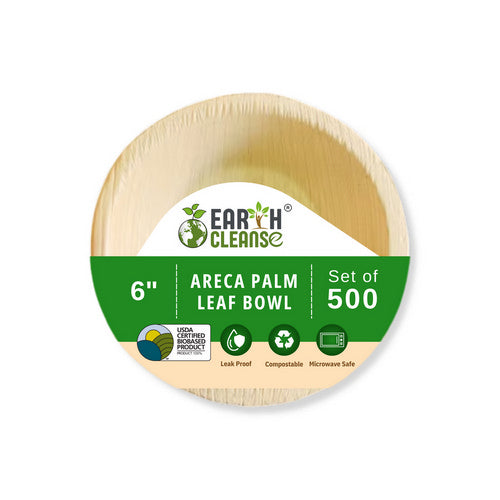
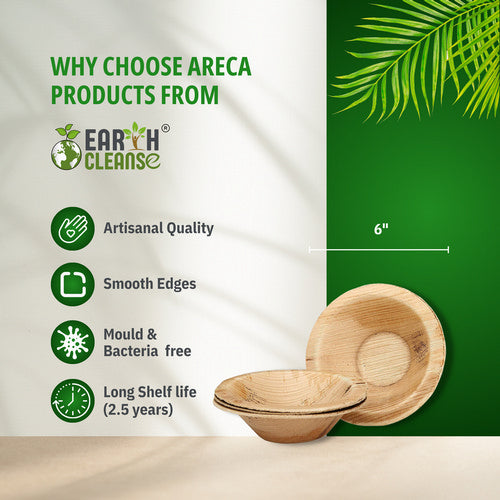
| Areca palm leaf | Yes | Yes | Weeks (~60–90 days) |
| Sal leaf | Yes | Yes | Weeks (~60–90 days) |
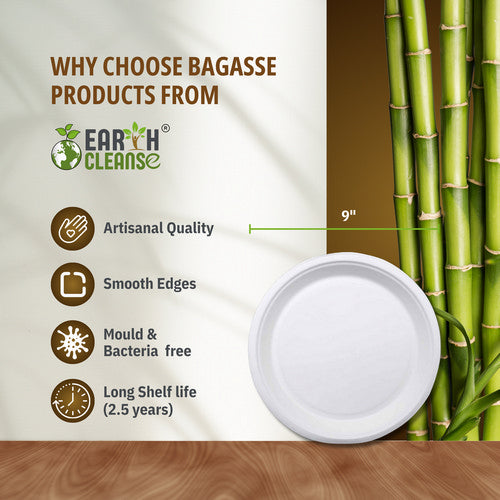
| Sugarcane bagasse | Yes | Yes | ~30–90 days |
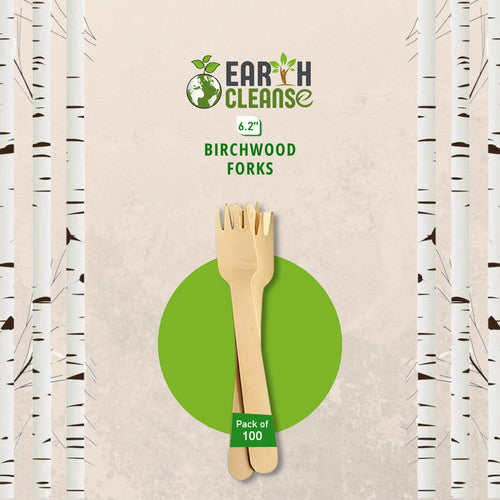
| Birchwood / bamboo | Yes | Yes | Months (varies) |
| Uncoated kraft paper | Yes | Yes | ~30–60 days |
| Aqua-coated (HydraShield™) paper | Check locally | Yes | Industrial preferred |
| PLA (cups, lids, straws) | No | Industrial only | Industrial facility |
| PE-coated paper | No – recyclable, not compostable | No | Recycle stream |
| Aluminum | No – recyclable, not compostable | No | Recycle stream |
From leaf, to plate, to soil

A leaf falls
Nature sheds a palm sheath, the raw material, freely given.
It becomes a plate
Heat-pressed, no added coatings or dyes, into the product you use.
You use it
One meal, served beautifully and sustainably.
It returns to soil
Composted within weeks, feeding new growth. The loop closes.
Questions
Composting, answered
Check whether your city offers municipal composting/organics collection, as many do. Natural items like palm leaf and bagasse can also go into a simple garden compost. If neither is available, they'll still break down far faster than plastic in landfill.
PLA is industrially compostable. It needs the sustained heat of a commercial facility to break down properly. In a home compost it will not degrade reliably, so place it in industrial composting where accepted.
For pure palm leaf, sal, bagasse and uncoated kraft, no. The whole item composts. PE-coated paper and aluminium are recyclable, not compostable, so keep those in the recycling stream.