

ABOUT US · OUR IMPACT
Sustainability you can measure
At EarthCleanse, impact is not a report we publish once a year. It is measured in lives lifted, communities given stable work, and plastic that never entered the waste stream, and every figure on this page traces back to a person or a plant we can point to.
4,000+
1,000+
70–80%
12+
The micro-entrepreneur model
Most manufacturers buy raw material from a trader. We built something different, because the raw material we use is scattered across thousands of small plantations rather than sitting in a warehouse.
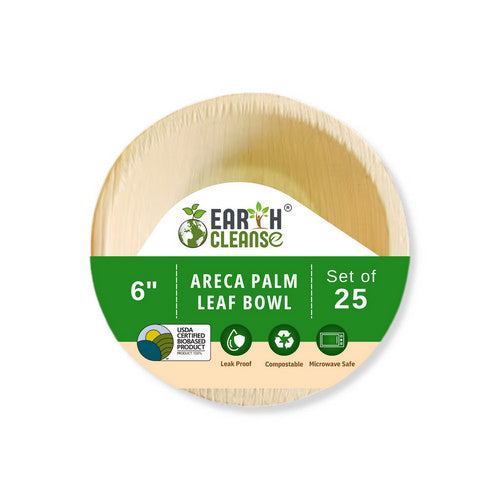
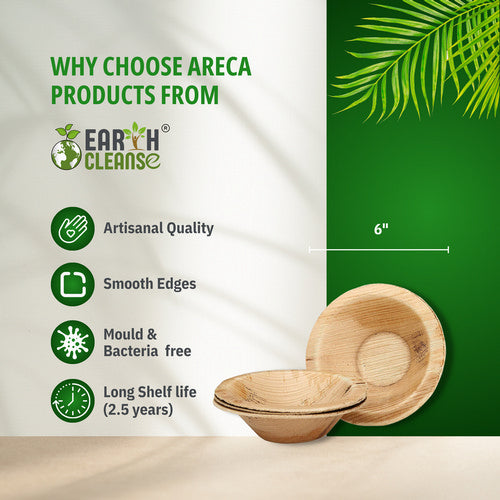
Rural micro-entrepreneurs go farm to farm buying fallen areca sheaths directly from the farmers who own them. They bring the load to a processing centre, where rural women dry the leaves by hand, grade them and store them for manufacture. Nobody in that chain was earning anything from these sheaths a decade ago. They were swept up and burned.
It is a slower way to source than buying from a trader, and it costs more. We do it because it puts income into the hands of the person who collected the leaf rather than the person who resold it, and because it is the only way to be certain of what we are buying.

Work for people the market overlooks
Our plants employ women, differently-abled workers and artisans from tribal and marginalised communities, not as a corporate social responsibility line item, but as the workforce that actually runs the machines.
Fair wages, measurably
Skill, not charity
Tribal craft, kept alive
Ability over disability
The environmental side
tons of plastic prevented annually
of production on solar
less water than plastic manufacture
And the material itself is waste before we touch it. No tree is cut, no crop is grown for us, and no plantation is planted on our account.The areca sheath falls on its own. The cane fibre would have been burned at the mill, a real air-quality problem in cane-growing regions. The rice husk is milling residue. Buying them is what turns a disposal problem into an income.
The planet
~60%
~80%
60–90
0
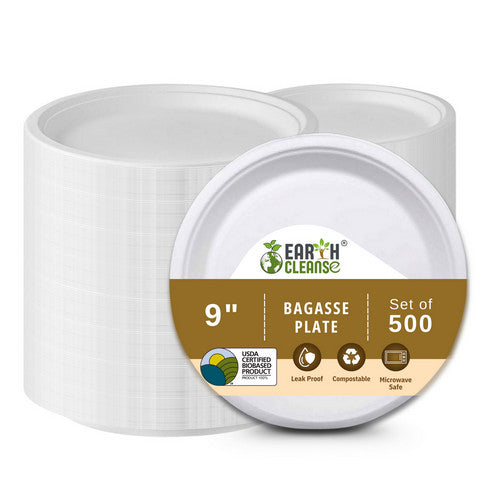
Every material we use is either already a waste stream: fallen sheaths, sugarcane fibre, rice husk, or grown under certified responsible forestry. Nothing is cultivated purely to become packaging.
The people
4,000+
livelihoods supported
1,000+
farmer partners
70–80%
women in the workforce
12+
years manufacturing
The numbers that matter most to us are the ones about people. A plate is compostable either way; whether the person who made it has a decent job is a choice the company makes.

