

Business as a force for people and planet
Most corporate social responsibility is something a profitable company does afterwards, with a percentage of what it made. Ours is the reason the company was started at all. This means it is not a budget line, and it cannot be cut in a bad quarter.
That distinction matters commercially too. A programme funded from profit stops when the profit does. A model built into how the product is made does not.
One box or one container: the same four promises
Who we hire
Over 70% women, and a substantial proportion of colleagues living with a disability, running presses, packing lines and quality control. Not a supported unit alongside the business. The business.
How we buy
Directly from farmers and rural micro-entrepreneurs rather than through traders. It is slower and it costs more. It also means the income reaches the person who collected the leaf.
What we make it from
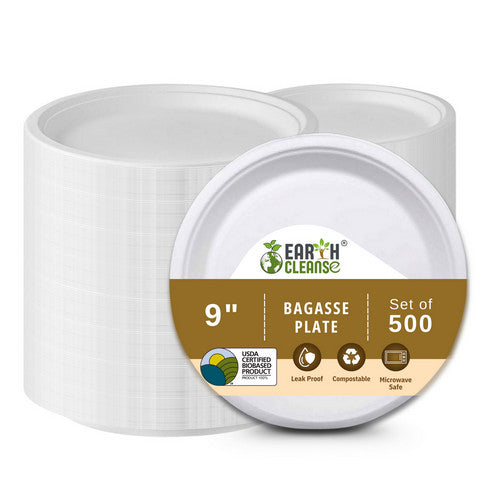
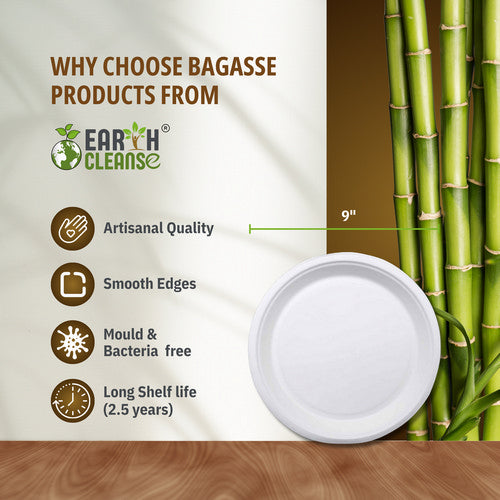
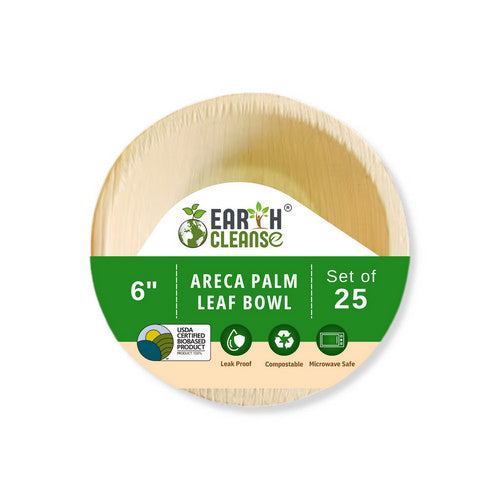
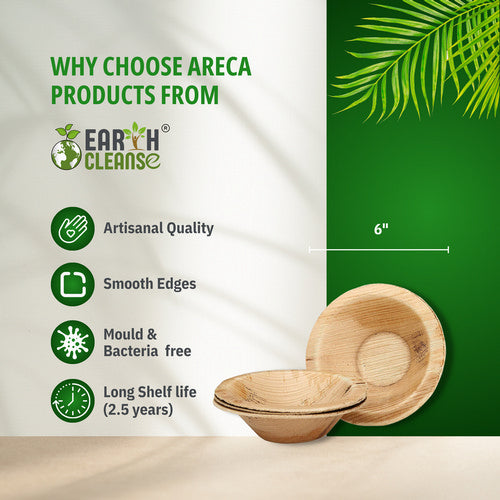
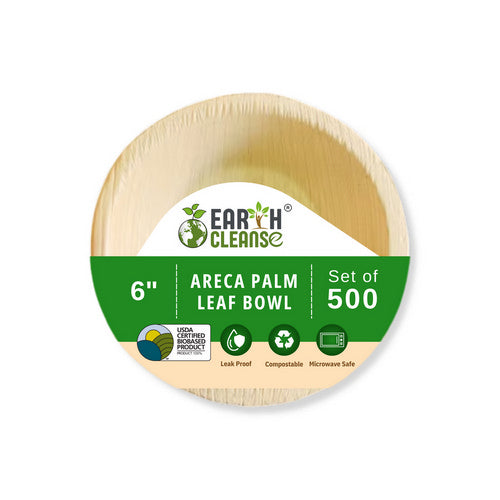
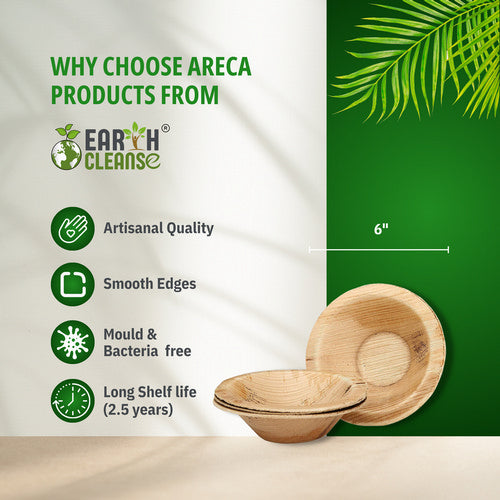
Agricultural by-product that was being burned or discarded: areca sheath, cane fibre, rice husk and forest leaf. Nothing is grown for us and no tree is cut for us.
How we power it
60% of production runs on solar, with the balance being converted. Pressing a leaf uses roughly 80% less water than moulding a polymer.

Social responsibility is the reason we exist, not an add-on.
EarthCleanse was built on a simple belief: business should uplift the people the world overlooks, and heal the planet we all share. Social responsibility isn't a programme bolted on; it's the reason we exist.
People at the margins, first
Our workforce includes women, differently-abled individuals and artisans from tribal and rural communities, supported by fair wages, safe conditions, adaptive workplaces and no child labour. Ability, not background, defines what people can achieve here.
- 70–80% of production roles held by women
- 4,000+ livelihoods supported (approx.)
- 1,000+ palm-leaf farmers supported yearly (approx.)
- Hundreds of differently-abled workers in dignified employment
- 1,000+ micro-entrepreneurs trained
Regenerating the planet
- 10,000+ tons of plastic waste prevented yearly (approx.)
- 60% of production powered by solar energy
- 80% less water than conventional plastic manufacturing (approx.)
- Zero deforestation: leaf products use naturally fallen or harvested leaves
- 100% of manufacturing waste recycled