

ABOUT US · OUR STORY
From waste to wonder
In a world built on throwaway culture and hyper-convenience, EarthCleanse asks a question most of this industry would rather not: what if waste was not the end of something, but the beginning of something better?
Twelve years on, we have answered it the only way that counts: by building the factories, hiring the people nobody else would, and making the products ourselves. This is how that happened.
BEFORE 2012 · THE ARGUMENT
It started with a court case, not a business plan
Srikanth Bolla was born blind in a farming family in a village in rural Andhra Pradesh. Relatives told his parents the child would not survive in a world built for the sighted. He walked five kilometres a day to a school that had no idea what to do with him, and became the fastest Braille reader in it.
He wanted to study science. The state education board barred visually impaired students from science and mathematics, so he took them to the High Court and won, opening STEM education to blind students across India, not just to himself. The IITs would not admit him either. He applied to MIT instead and became the first international visually impaired student at its Sloan School of Management.
He could have stayed. He came home instead, because the problem he wanted to solve was not in Boston.

2012 · THE FOUNDING
A factory built around who it would employ
In 2012, Srikanth co-founded Bollant Industries with Ravi Mantha. The premise was deliberately unfashionable: that people the labour market writes off, including differently-abled workers, women from rural households, and artisans from tribal communities, could run a modern factory floor as well as anyone, given the training and the machines.
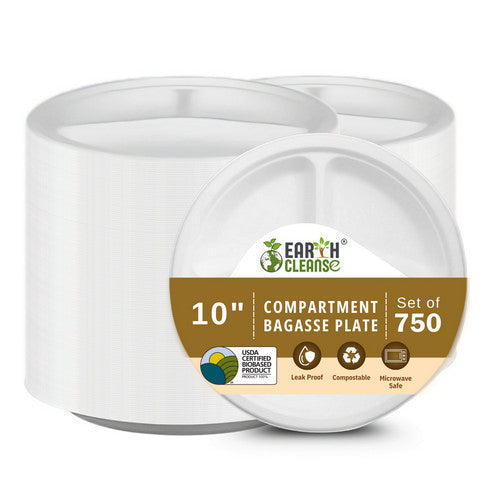
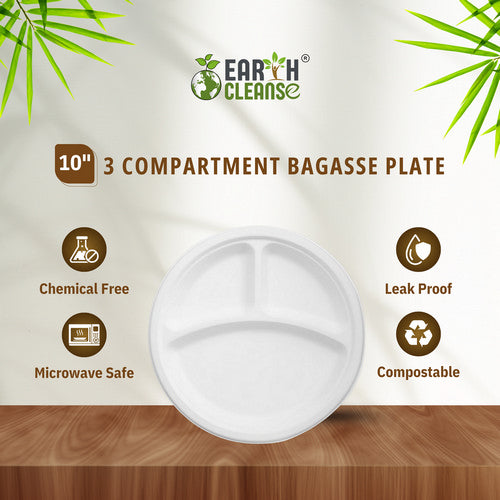
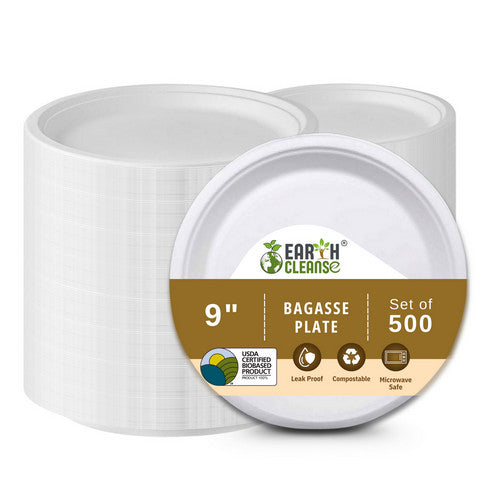
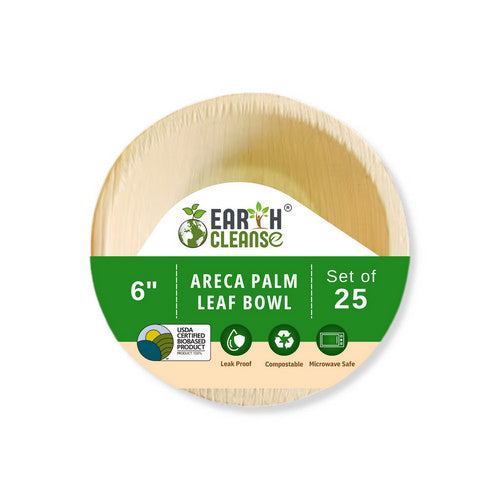
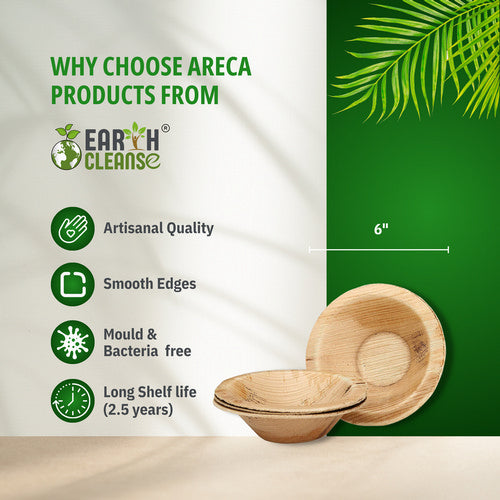
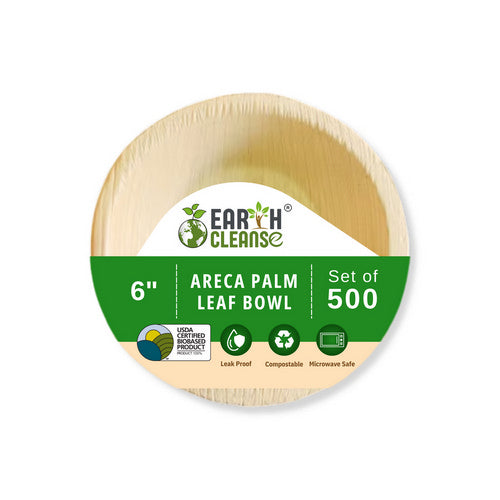
Most social enterprises start with the cause and find a product to fund it. This started with both at once. The first product was a plate pressed from a fallen areca palm sheath, a material that was, at the time, being swept up and burned across southern India.

2013–2019 · THE BUILD
Every customer asked for the next thing
A restaurant that switched its plates asked whether we made containers. The caterer who took the containers asked about cutlery and napkins. The hotel asked about amenities and washroom paper. The distributor asked whether it could all arrive on one pallet.
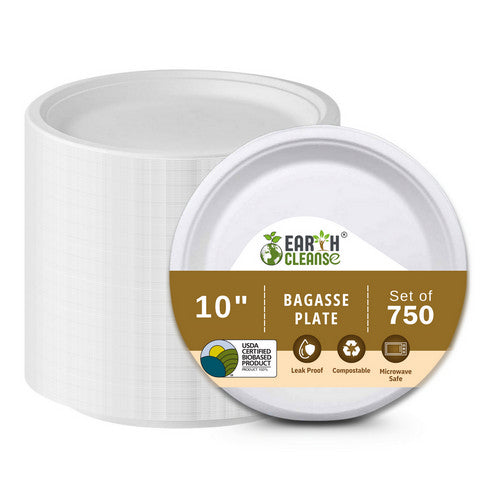
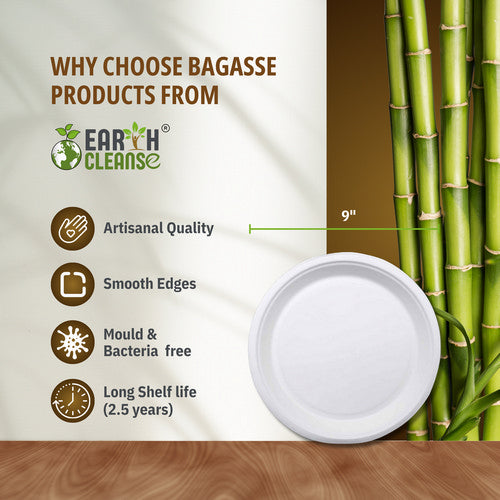
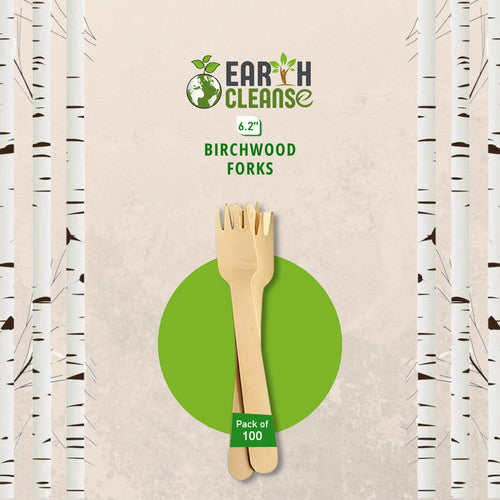
We could have said no and watched them buy elsewhere. Instead, we built the lines. Recycled paper and board. Sugarcane bagasse, upcycled from a mill by-product that was otherwise burned. Birchwood and bamboo. Then the recyclable ranges a working kitchen genuinely needs, including aluminium, films, containers, gloves, and cleaning chemicals.
The plants became automated. The workforce grew past five hundred and kept its character: over 70% women, and a substantial proportion of employees living with a disability, running presses and quality control rather than sitting in a separate unit. The group grew into logistics, retail, laboratories, packaging, and foods.

THE BRAND · EARTHCLEANSE
Taking it to the market that buys the most plastic
Manufacturing in India and selling to traders was working. It was also invisible: our products reached American kitchens under other people’s names, at other people’s margins, with nobody accountable for what was claimed on the label.
EarthCleanse was launched in California to change that. Our own brand, our own US warehouses in Hayward and Baltimore, our own listings on Shopify, Amazon, and Walmart, and our own name on the box. When something is wrong now, there is nobody to point at.
The group operates through two entities: Bollant Inc. in the United States and Bollant Foods Pvt. Ltd. in India, which manufactures and exports worldwide. Which entity invoices you depends only on where you are.

TODAY
Sixteen product lines, one supply chain
What began as one plate is now sixteen product lines and over six hundred products, including compostables and recyclables, foil and film, containers and boxes, bags and liners, tissue and napkins, gloves, cleaning chemicals, guestroom amenities, and food-handling wear.
It covers the whole circle rather than a slice: foodservice, takeaway and delivery, catering and events, cafés, hotels and hospitality, retail and grocery, institutional catering, cleaning and hygiene. A restaurant, a hotel group, and a distributor can each buy their entire programme from one account, which almost nobody else in this category can offer because almost nobody else actually manufactures.
12 + years manufacturing
16 product lines
4,000 + livelihoods supported
2 US warehouses
Sustainability should feel like progress, not compromise
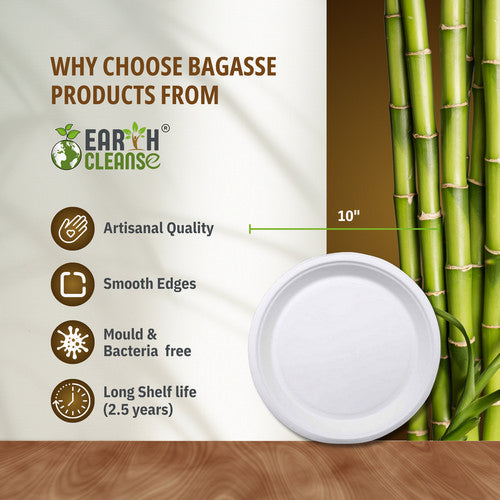
Too much of what is sold as sustainable asks the buyer to accept less: a plate that bends, a cup that softens, or a container that leaks. We have never accepted that trade because a compostable product that fails in service does more damage to this cause than a plastic one that works.
So our products are built to perform first and compost second. Where a material genuinely cannot carry an environmental claim, such as our cling film or paper cup lining, we say so plainly rather than stretching a word until it means nothing.

Where this goes next
India remains where we manufacture. Bollant Foods now exports the range worldwide, including Canada, Mexico, Latin America, Europe and the UK, the Gulf, Africa, Australasia, and Asia, directly from our plants, with US buyers served from US stock.
The ambition has not changed since 2012. It has only grown: a single supply chain covering everything a foodservice or hospitality operation consumes, made responsibly where it can be, labelled honestly where it cannot, and built by people the world overlooked.
One box or one container: the same four promises
Whether you are ordering a single case to try or a container to stock a region, nothing about the product, the standard or the paperwork changes. Only the price does.
Any volume, any time
One case or forty containers. We schedule against our own line rather than queueing behind someone else’s customers, so growth never forces a change of supplier.
We set price, quality and spec
If a gauge needs changing or a size needs adding, we change it. We are not renegotiating with a factory that has other priorities.
Custom print & private label
Your artwork on cups, napkins, bags and cartons, or full OEM. Minimums are set by what makes a run viable, not by what an agent needs.
One supplier, whole operation
Sixteen lines, 600+ products, tableware, packaging, films, foil, gloves, chemicals, amenities. Foodservice, hospitality, catering, retail and institutional from one account.