
Why Sustainability Matters
EarthCleanse exists to replace harmful single-use plastics with products that benefit people, the planet and future generations. Our work spans the entire journey of a product — raw material, manufacturing, packaging, transport, use and end-of-life.
• Plastic pollution harms land, water and our food systems.
• Fossil-based plastics create waste that never truly biodegrades.
• Burning agricultural waste releases avoidable carbon — we turn that waste into products instead.
• Plant-based materials reduce dependence on oil.
• Compostable products ease the pressure on landfills.
Sustainability should be simple, accessible and deeply impactful — protecting the planet while supporting the people who depend on its resources.
Sustainability Across the Whole Lifecycle
The most credible sustainability isn’t a single claim — it’s attention at every stage. We think in full life cycles, reducing impact from the first leaf gathered to the final return to soil.
• Sourcing — renewable, traceable, ethically gathered raw materials; many are by-products that would otherwise be wasted.
• Manufacturing — low-energy, low-water processes; scrap reprocessed; solar power where we can.
• Packaging — recyclable kraft, compostable wraps, low-ink printing and right-sized packs.
• Transport — sea freight over air, US warehouses on both coasts, and consolidated shipping to cut emissions.
• Use — durable, high-performance products designed to be reused where possible.
• End-of-life — compostable, recyclable or reusable by design — no material left without a responsible path.
Close the Loop — Simple Steps
• Use responsibly. Serve, store and enjoy — just like conventional packaging.
• Compost or recycle after use. Choose the right path for the material (see disposal guide below).
• Return to nature. Compostable items become nutrient-rich soil — typically within weeks to a few months, depending on the material and composting system — with no microplastic residue.
• Compost or recycle after use. Choose the right path for the material (see disposal guide below).
• Return to nature. Compostable items become nutrient-rich soil — typically within weeks to a few months, depending on the material and composting system — with no microplastic residue.
Our Materials — Complete Transparency
Every material has a story and an honest profile. Here’s where each comes from, why we use it, and how it returns to the earth.
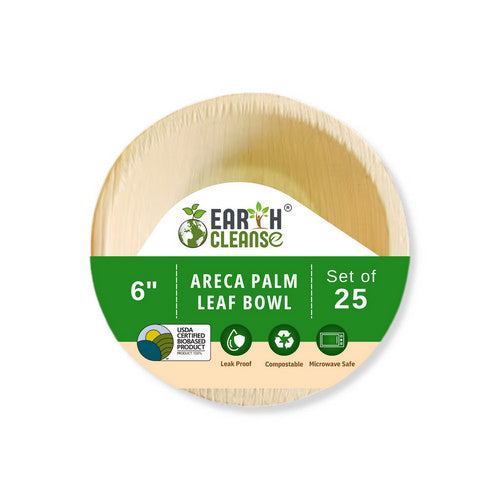
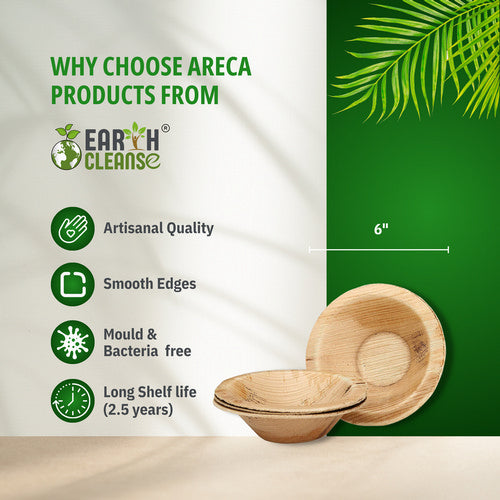
Palm Leaf Tableware
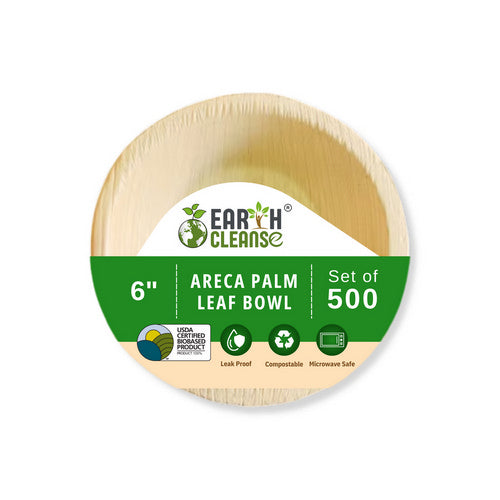
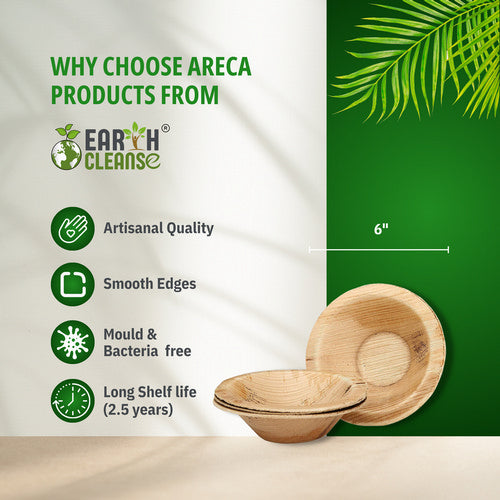
• Source: naturally fallen areca palm leaves — no trees cut, no chemicals.
• Process: washed, steam-sterilised and heat-pressed into shape — no adhesives, dyes or binders.
• Benefits: microwave-safe, backyard-compostable, strong and leak-proof, fully natural.
• Environmental benefit: prevents agricultural leaf-burning; turns waste into useful products.
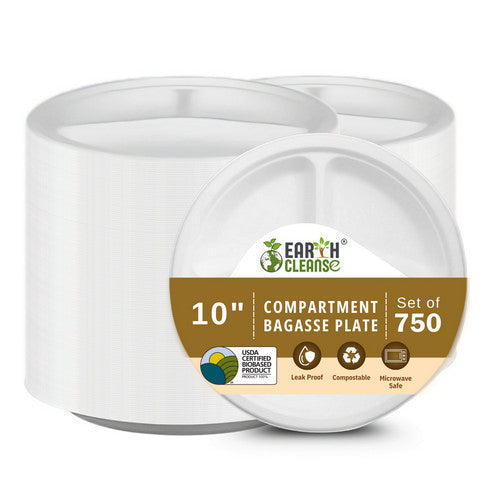
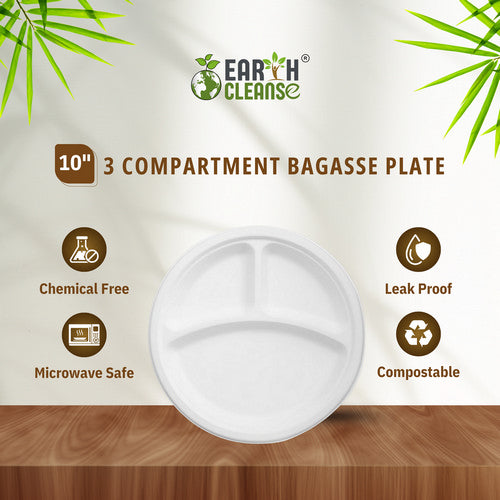
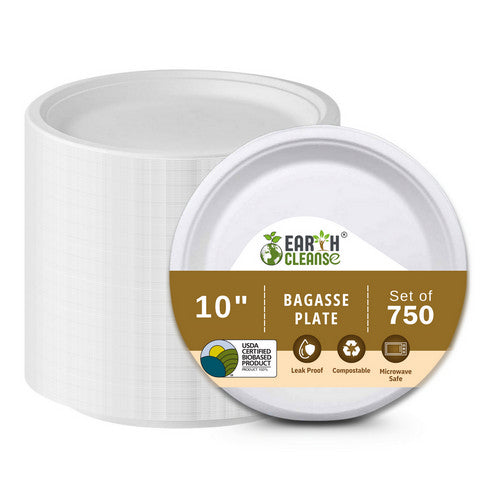
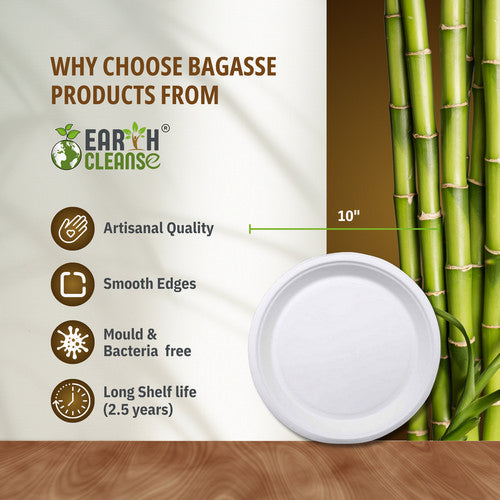
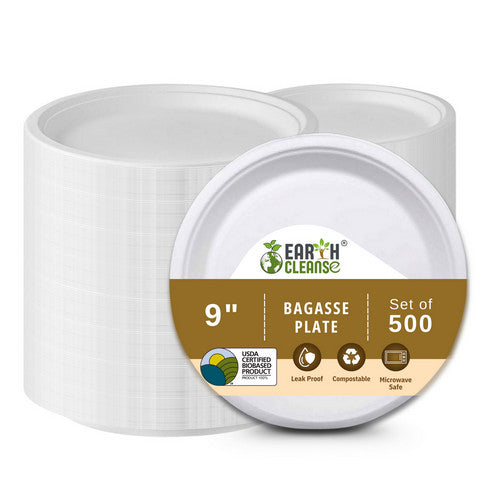
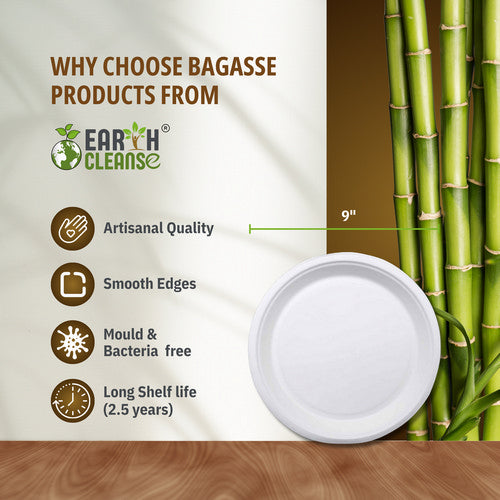
Sugarcane Bagasse
• Source: residual fibre left after sugarcane juice extraction — an upcycled by-product.
• Process: pulled fibres → slurry →moulding → drying.
• Benefits: durable, rigid, heat-resistant; home and industrial compostable in active composting; replaces plastic and foam.
• Environmental impact: uses a by-product and reduces agricultural waste; lower carbon footprint than petroleum plastics.
Sal Forest Leaf
• Source: broad, naturally fallen sal leavesgathered by tribal women in India’s forest regions.
• Process: cleaned, stitched and moulded into plates and bowls — a centuries-old craft.
• Benefits: fully natural, compostable; preserves tradition while supporting forest conservation and rural livelihoods.