

Conscious Living

Conscious Living · EarthCleanse Editorial
Conscious Living · by EarthCleanse Team · 4 min read
Single-use doesn't have to mean landfill. The material is what decides.
The problem was never 'single-use' — it was plastic

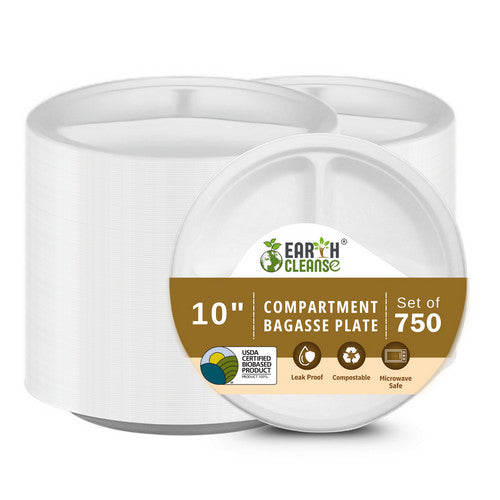
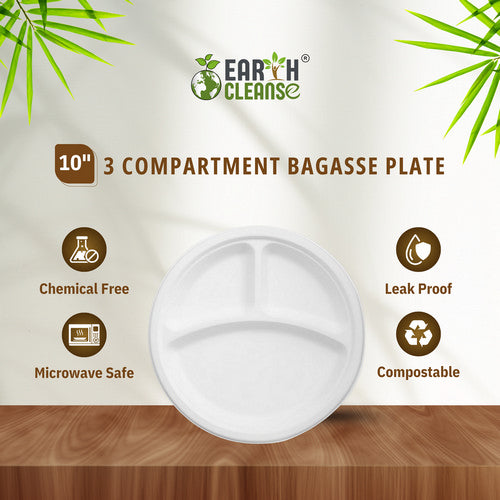
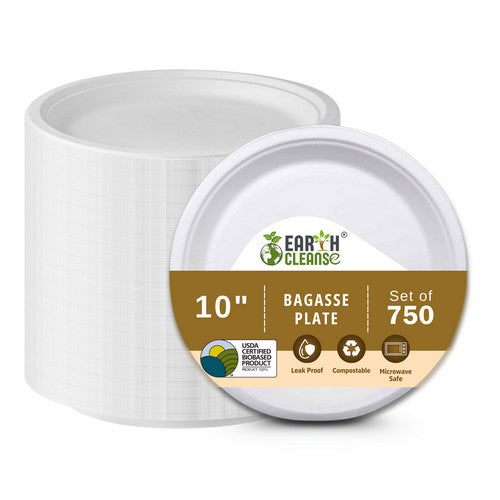
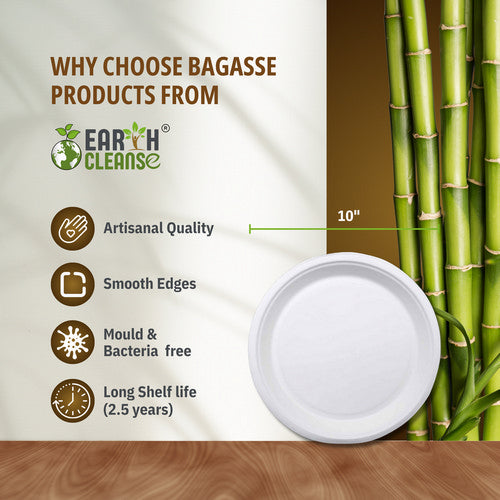
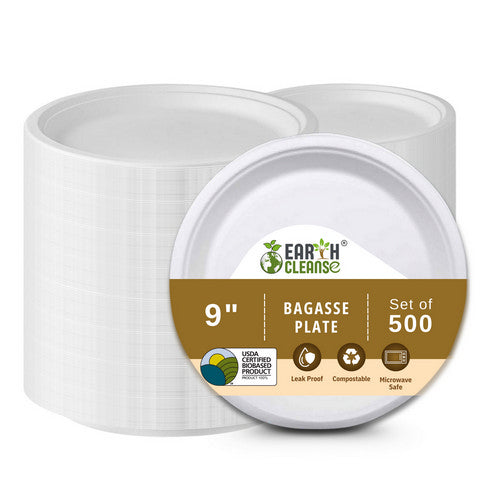
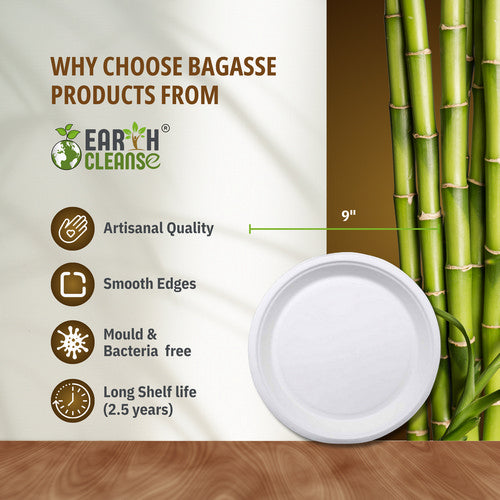
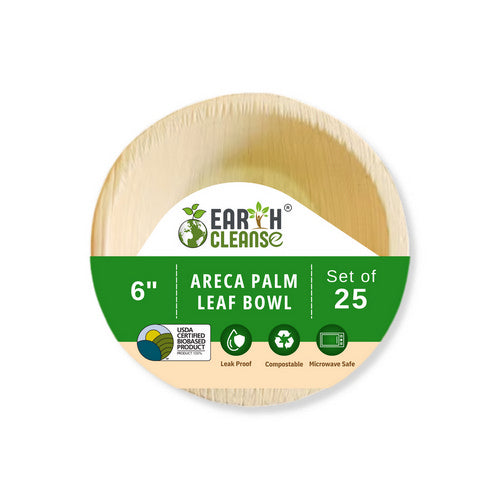
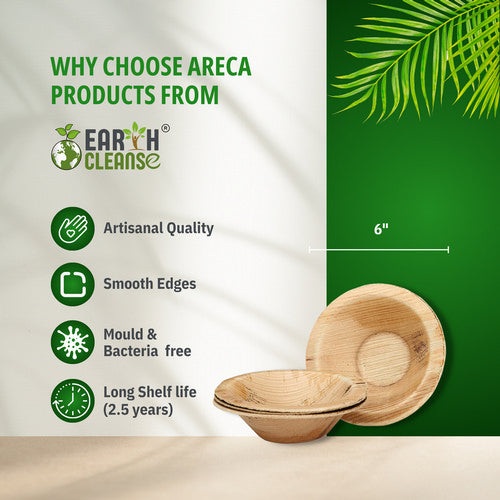
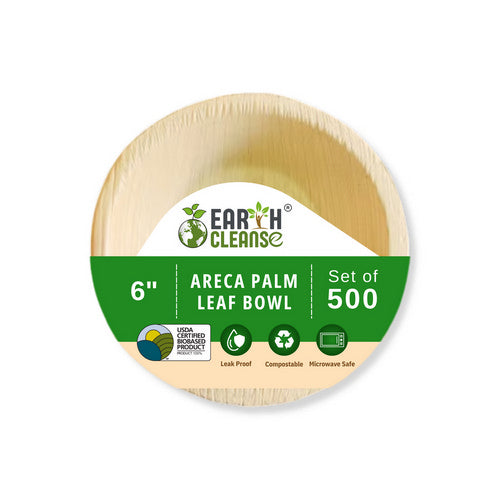
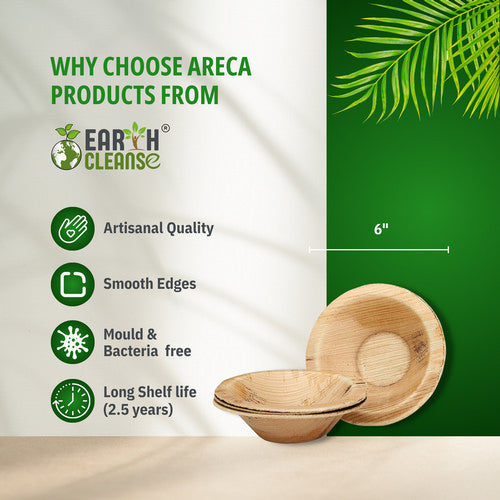
For decades, disposable meant plastic, and plastic meant centuries in landfill or the ocean. But a disposable product made from a fallen leaf or sugarcane fibre composts back into soil in weeks. Same convenience, completely different ending.
What makes a disposable responsible

Three things: what it's made from, whether it's certified to break down or be recycled, and whether you can reuse it first.
Made from plants, not petroleum.
Certified compostable (not just 'biodegradable') or clearly recyclable.
Sturdy enough to reuse before its end of life.
And where plastic still appears

Some formats — clear cold cups, certain containers — don't yet have an affordable compostable match. There, a recyclable, reusable, BPA-free option is the responsible disposable: designed to reduce waste while better materials catch up.
Key takeaways
Disposable isn't automatically wasteful — material decides.
Look for certified compostable or clearly recyclable.
Reuse a disposable first when you can.
Shop the post: Palm-leaf plates · Bagasse containers · Recyclable PP/PET items.
Learn more: Confused by 'biodegradable'? Read our eco-label guide and the FAQ.
