

Guides & How-To

Guides & How-To · by EarthCleanse Team · 6 min read

Three words that get mixed up constantly. Here's the difference that matters.
Why the words matter

These three terms describe completely different endings — and the differences decide whether something becomes soil, gets a second life, or quietly pollutes. Getting them straight makes you a sharper shopper.
Compostable
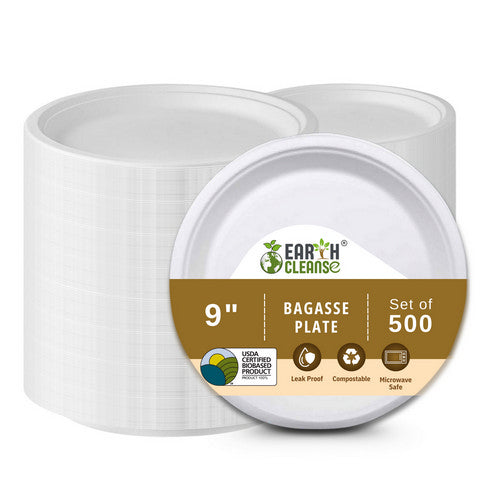
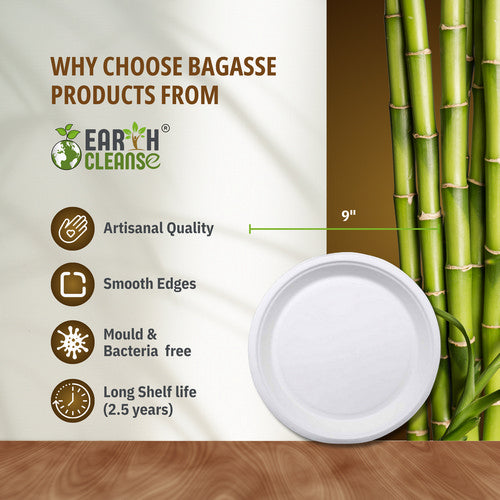
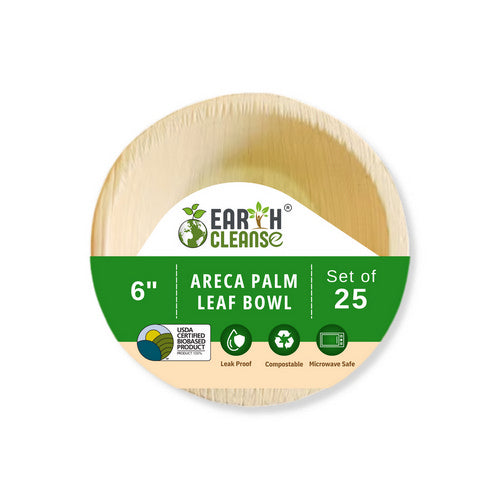
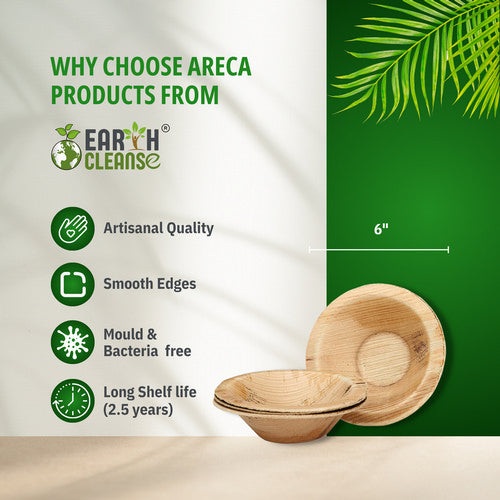
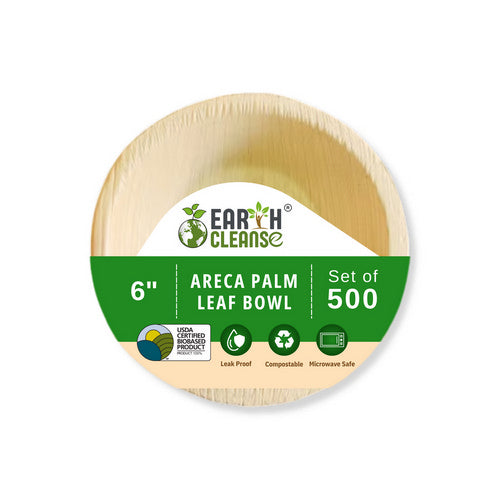
Certified to break down fully into non-toxic soil within a set time (look for BPI, ASTM D6400, EN 13432). Some products are home-compostable (palm leaf, bagasse, birch); others need a commercial facility (CPLA). This is the gold standard.
Biodegradable
An unregulated marketing word. No timeframe, no guarantee — many 'biodegradable' plastics just fragment into microplastics. Treat it with suspicion unless it's also certified compostable.
Recyclable
Can be reprocessed into new products — like PP (#5) and PET (#1) containers, or aluminium. Great, but only if it's actually collected and recycled where you live, and rinsed clean. Recyclable in theory isn't recycled in practice everywhere.
The simple rule

Prefer certified compostable; choose recyclable where compostable isn't available; and be wary of plain 'biodegradable'. Reuse anything you can before its end of life.
Key takeaways
Compostable = certified to become soil in a set time.
Biodegradable = vague and unregulated — be cautious.
Recyclable = reprocessable, if collected and clean.
Shop the post: Certified compostable ranges · Recyclable PP/PET.
Learn more: Verify our certifications on Certifications; more in the FAQ.
