

People & Stories

People & Stories · by EarthCleanse Team · 6 min read

Follow an areca leaf from the plantation floor to your table.
It begins with what falls

In the areca plantations of southern India, palm trees naturally shed their leaf sheaths. For generations these were swept aside. Today, farmers gather them as micropreneurs — earning income from what was once waste, with no tree ever cut.
From leaf to plate

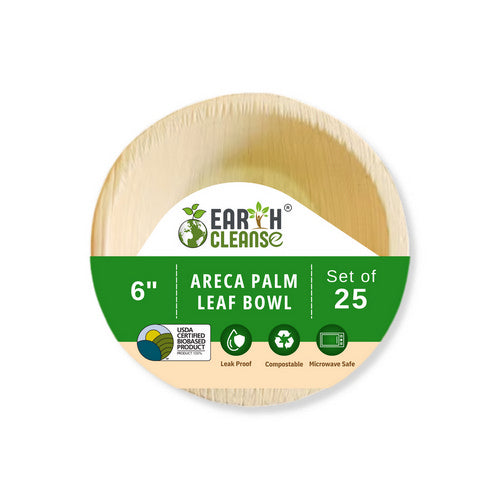
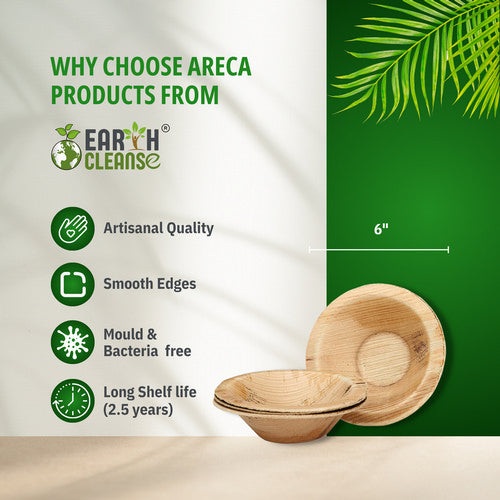
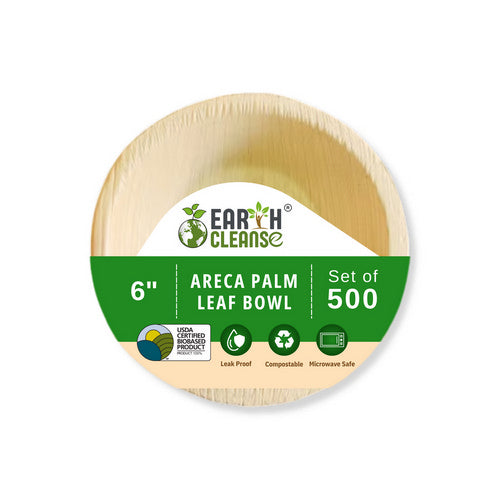
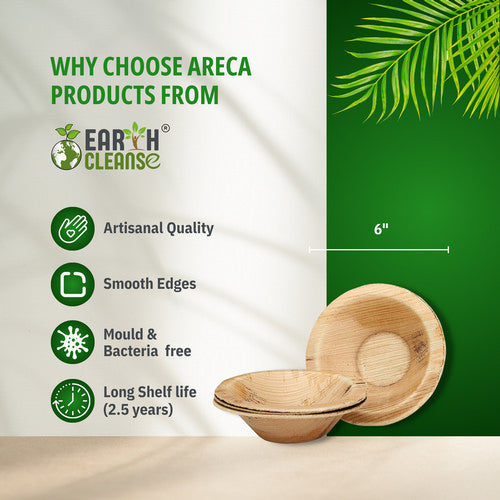
The sheaths are cleaned, then heat-pressed — using only heat and pressure, no chemicals, no synthetic coatings — into sturdy, elegant plates and bowls. The same warmth that shapes them also makes them food-safe.
From India to your table
Finished products are quality-checked, sealed for freshness, and shipped — stocked in US warehouses for fast delivery. A plate that started as a fallen leaf in a rural plantation ends up under a meal thousands of miles away, then returns to soil in weeks.
A cycle that gives back
Every step supports livelihoods — farmers, artisans, waste collectors — and closes the loop with the earth. That's the quiet power of made-not-traded: you can trace the whole journey.
Key takeaways
Areca plates come from naturally fallen leaves — zero deforestation.
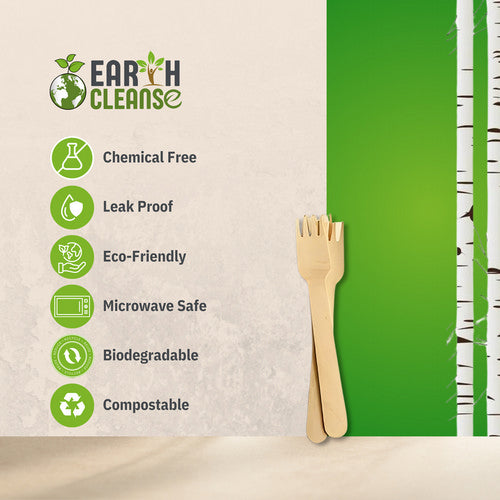
Heat-press only — no chemicals or coatings.
The journey supports rural livelihoods end to end.
Shop the post: Areca palm-leaf plates & bowls · Compartment trays.
Learn more: See materials in depth on the Sustainability page and the founder's story on About Us.
