

Sustainability Trends & News

Sustainability Trends & News · by EarthCleanse Team · 6 min read
Not every green claim is honest. Here's how to read past the marketing.
Green claims aren't all equal

'Eco-friendly', 'natural', 'green' — many label words mean nothing specific and aren't verified by anyone. Learning to spot vague claims protects your money and the planet. Here are five to question.
'Biodegradable' with no timeframe — unregulated; could take centuries or fragment into microplastics. Look for certified compostable instead.
'Natural' or 'eco-friendly' with no certification — feel-good words, no proof.
'Recyclable' without a resin code or local reality — technically recyclable isn't the same as actually recycled where you live.
'Plant-based' that's mostly fossil-based — check how much is actually plant-derived.
'Carbon neutral' with no methodology — ask what's measured and who verified it.
What honesty looks like

Trustworthy brands name their certifications (BPI, ASTM D6400, FSC, USDA BioPreferred), state timeframes, and admit limits. We even tell you which of our products are conventional recyclable plastic and why — because hiding it would be the greenwashing.
Key takeaways

Vague words like 'natural' aren't proof.
'Biodegradable' without certification is a red flag.
Trust brands that name certifications and admit limits.
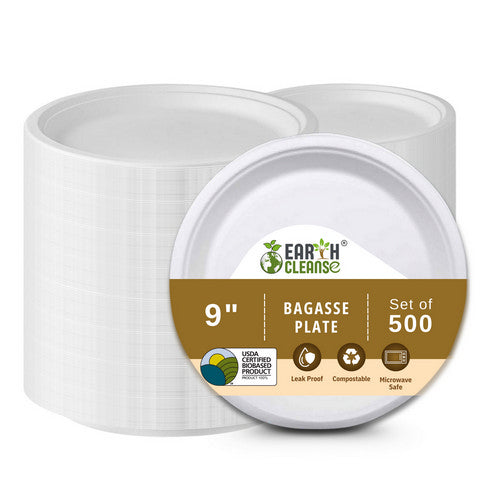
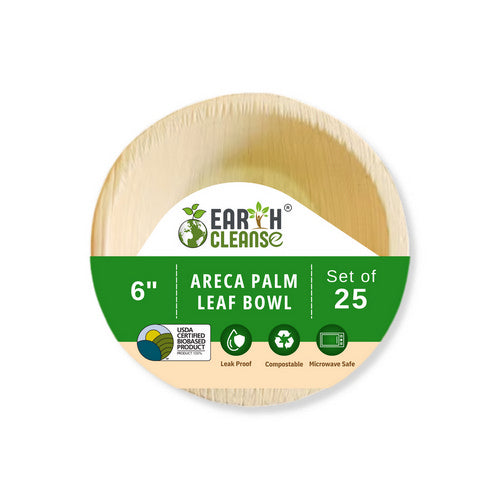
Shop the post: See certified compostable ranges.
Learn more: Decode labels in our eco-label guide; verify ours on Certifications.
