

Guides & How-To

Guides & How-To · by EarthCleanse Team · 7 min read

Match the right material to each job — performance, cost and end-of-life in one view.
Start with the job, not the material

The right disposable depends on the food: temperature, grease, liquid, and whether it's dine-in, delivery or display. Pick for performance first, then optimise for sustainability and cost.
A quick material map

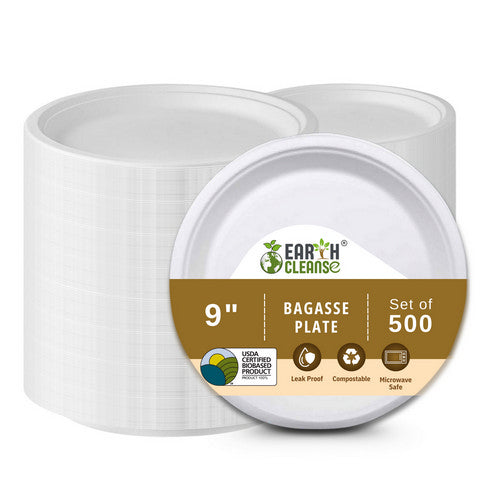
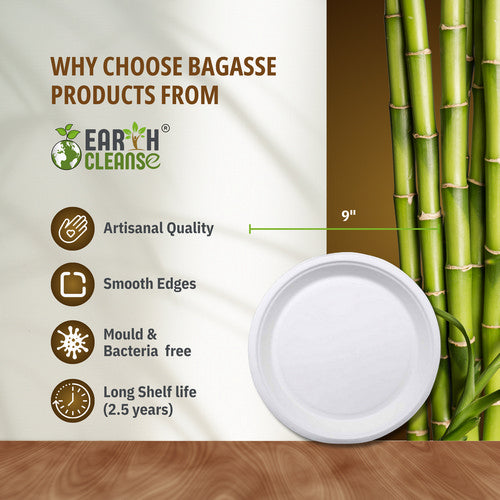
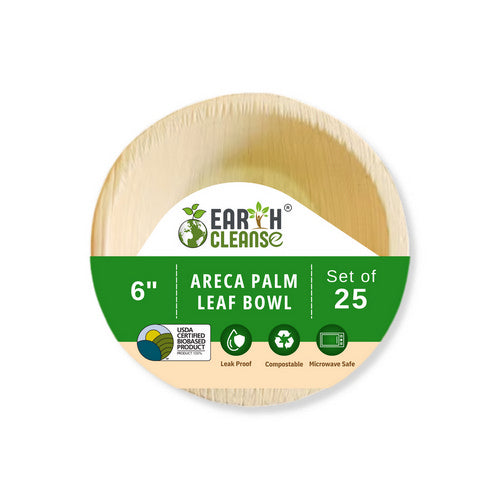
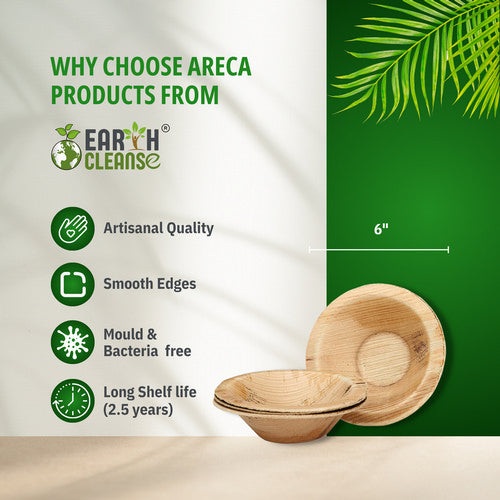
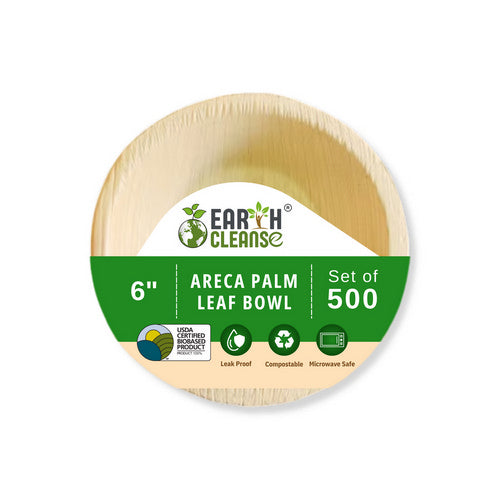
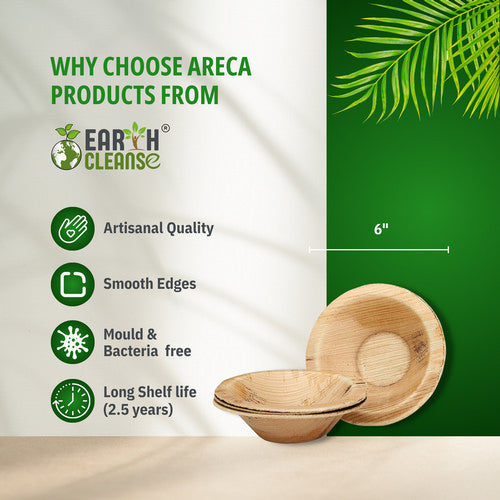
Hot, saucy food: bagasse (microwave-safe to 250°F) or palm leaf.
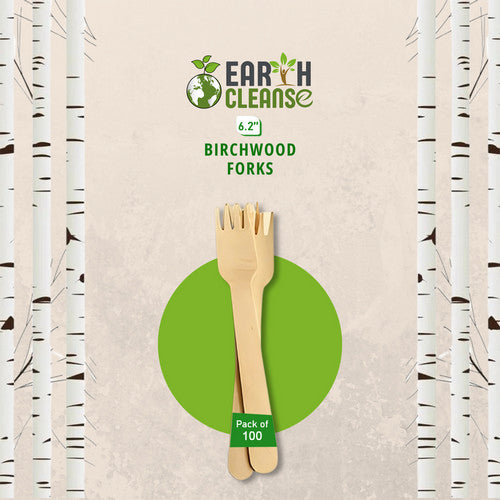
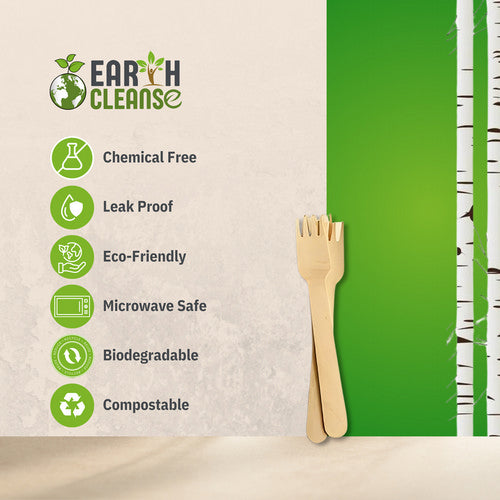
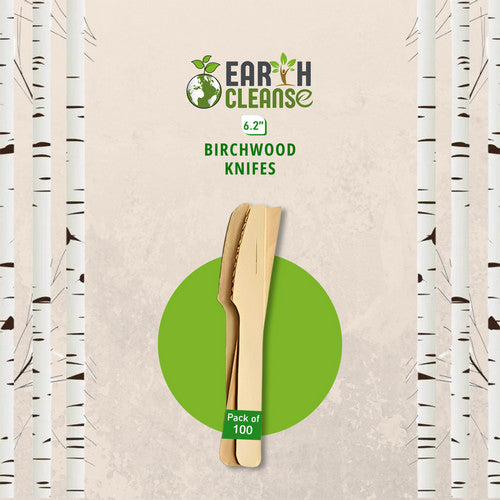
Full meals & dense foods: birchwood cutlery (strong, splinter-free).
Hot drinks: FSC kraft cups with aqueous, plastic-free lining.
Cold drinks: PLA or recyclable PET cold cups.
Delivery: anti-leak bagasse clamshells; reusable PP for regulars.
Bakery/oven: aluminium or grease-proof paper.
Balancing cost and sustainability
Compostable is the goal; where it's not affordable for a format yet, recyclable and reusable options are a sensible bridge. Reusable containers in particular cut both waste and long-run cost.
Make switching easy
Order sample kits to test performance, start with your highest-volume items, and lean on a supplier who can map every line and certify it. That's how a switch sticks.
Key takeaways
Choose by the job first, then sustainability and cost.
Bagasse/palm for food, kraft/PLA/PET for drinks, birch for cutlery.
Reusable and bulk options balance cost and impact.
Shop the post: Full foodservice range · Bundles · Sample kits.
Learn more: See the switching guide and wholesale tiers in the FAQ.
