

People & Stories

People & Stories · by EarthCleanse Team · 5 min read

How 'waste' became income for thousands of rural families.
Waste, reimagined as income

Fallen areca leaves, sal leaves from the forest floor, sugarcane bagasse left after juicing — these were by-products nobody paid for. EarthCleanse's supply chain turns them into raw materials, and the people who gather them into micropreneurs with real income.
A wide circle of livelihoods

The impact spreads across the chain — palm farmers, tribal leaf collectors, waste collectors and artisans. Thousands of livelihoods are supported, with income flowing into rural economies that mainstream manufacturing often skips.
2,000+ palm farmers empowered annually.
5,000+ waste collectors supported.
Tribal communities across the leaf supply chains.
3,000+ livelihoods supported overall.
Sourcing that regenerates
Because the materials are gathered, not grown for harvest, there's no deforestation and no chemical farming — the environmental and social wins arrive together.
Key takeaways
By-products become income for rural micropreneurs.
Thousands of livelihoods across farmers, collectors and artisans.
Gathered materials mean zero deforestation.
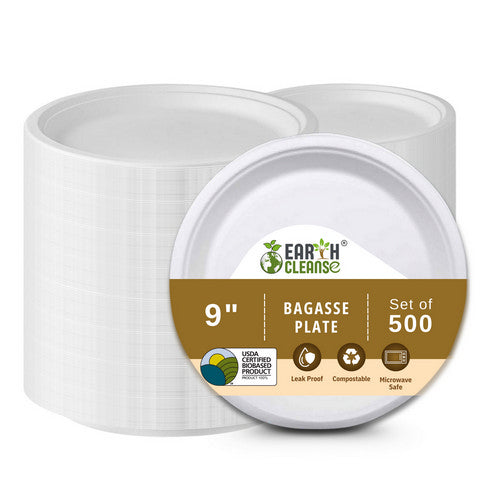
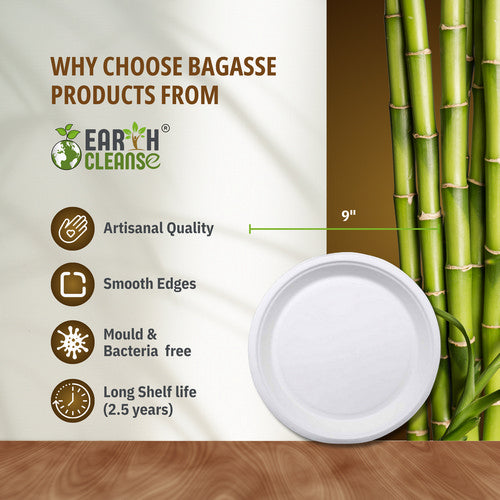
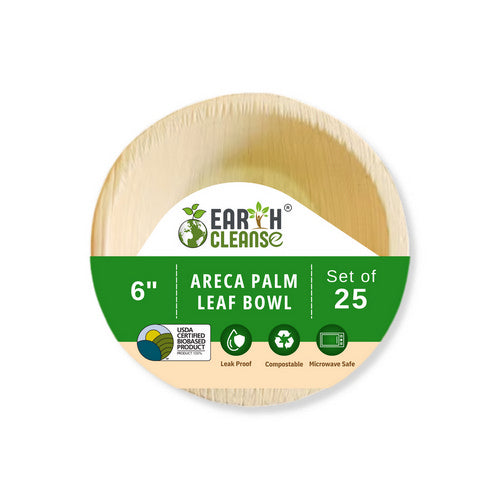
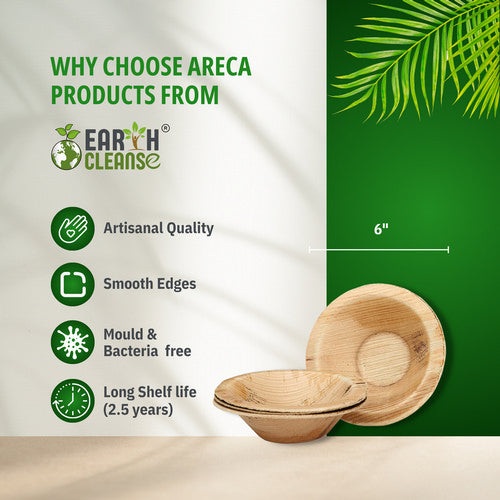
Shop the post: Areca & sal-leaf tableware · Bagasse products.
Learn more: See the full impact figures on Our Impact and material detail on Sustainability.
Why 'Made, Not Traded' Matters for Quality and People
People & Stories · by EarthCleanse Team · 5 min read
We don't resell sustainability — we make it. Here's why that matters to you.
Most 'eco' brands are traders
Many sustainable brands buy generic products and put a label on them. EarthCleanse is different: as the venture partner of a 12-year manufacturer, we own the process from raw material to finished product. Made, not traded.
What ownership gives you
Complete quality control, honest manufacturer-direct pricing, traceability back to the raw material, and the freedom to customise and scale — none of which is possible when you're reselling someone else's goods.
Quality controlled in-house, batch by batch.
Manufacturer-direct pricing, no middleman markup.
Full traceability to raw-material origin.
Custom products and private label on demand.
And it protects the people
Owning the factory means we set the wages, the safety standards and the inclusive hiring — they're not left to an anonymous contract supplier. The social promise is only credible because we make the products ourselves.
Key takeaways
We manufacture; most eco brands resell.
Ownership means quality, price control and traceability.
It also makes the social and ethical promises real.
Shop the post: Browse the full manufactured range.
Learn more: See manufacturing and certifications in the FAQ, and the story on About Us.
