

Conscious Living

Conscious Living · EarthCleanse Editorial
Conscious Living · by EarthCleanse Team · 5 min read
Only about 9% of plastic is ever recycled. Here's why going plastic-free is worth it — and easier than you think.
The scale of the problem

The world produces around 380 million tonnes of plastic a year, and only about 9% is ever recycled. The rest lingers — in landfills, in soil, and in the ocean — for centuries, breaking into ever-smaller pieces rather than going away.
It reaches us, too

Those pieces become microplastics, and they've turned up in our food, our water and even human blood. Plastic-free living isn't only about the planet; it's about what ends up in us.
The good news: better options exist

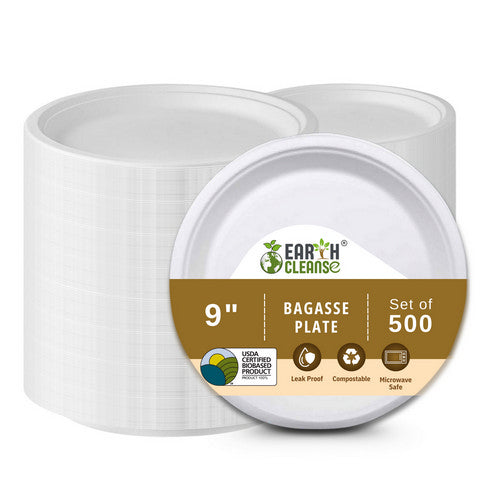
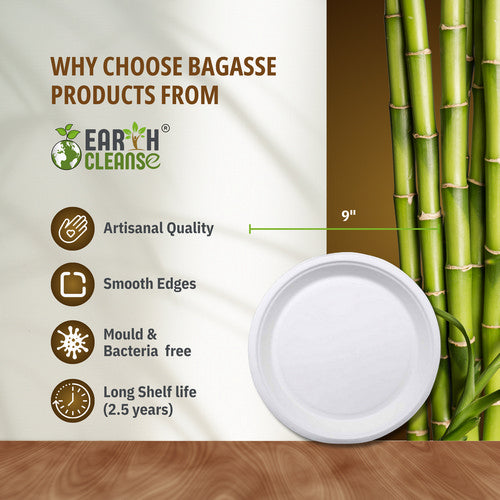
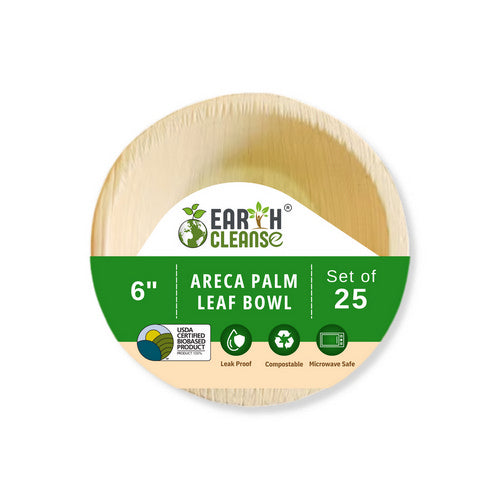
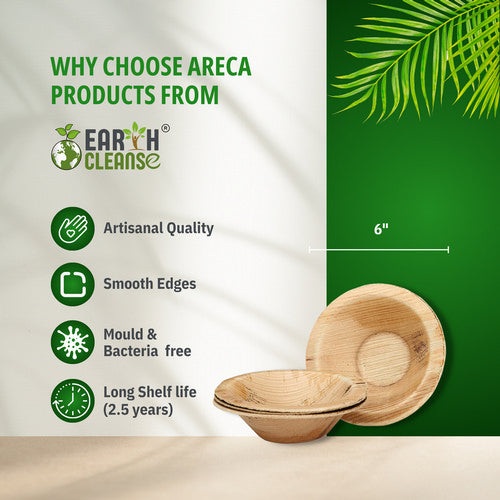
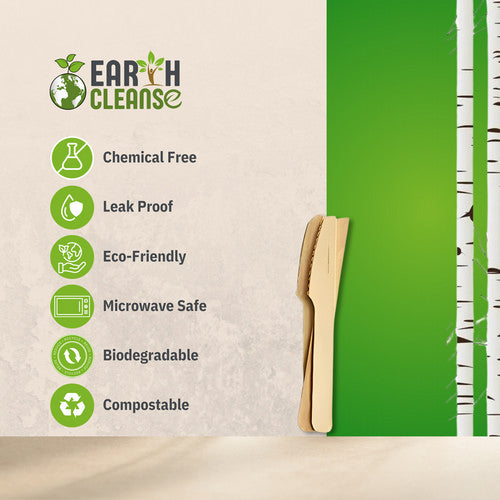
Plant-based, compostable alternatives now match plastic for everyday use — plates, cups, cutlery, packaging — and return to soil instead of polluting it. Going plastic-free has never been more practical.
Start where it's easy
You don't have to do everything at once. Swap the highest-volume single-use items first, reuse what you can, and choose compostable or recyclable for the rest. Small, steady changes add up fast.
Key takeaways
~380M tonnes of plastic a year; only ~9% recycled.
Microplastics reach our food, water and bodies.
Compostable alternatives make plastic-free living practical.
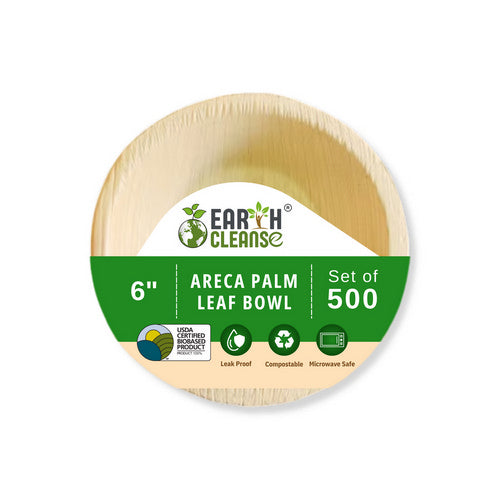
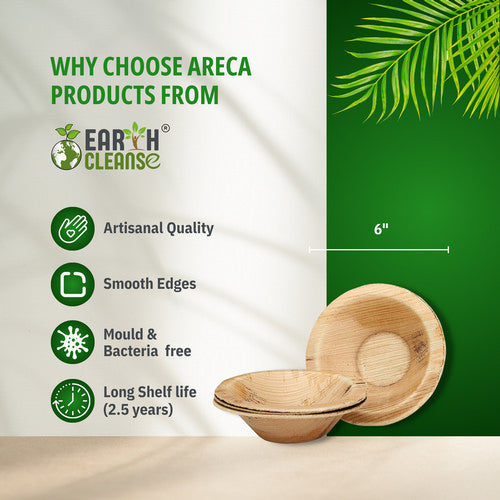
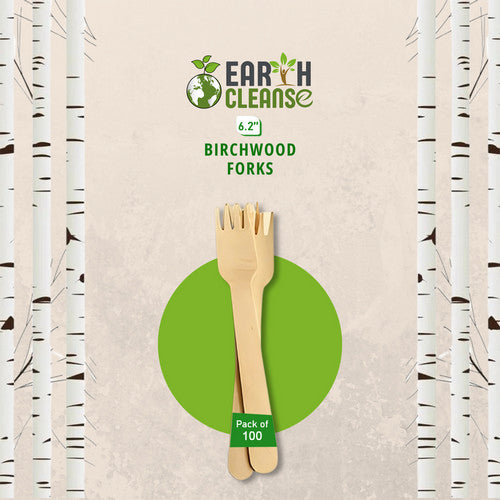
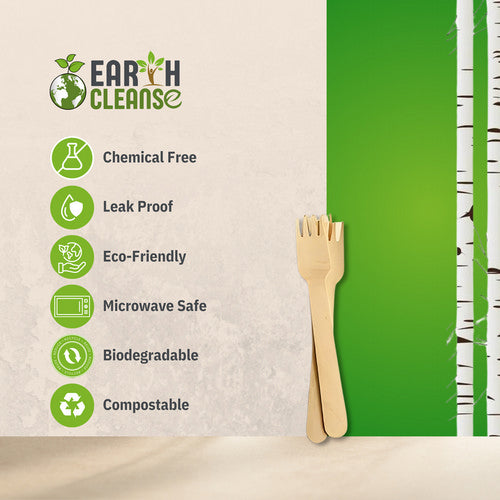
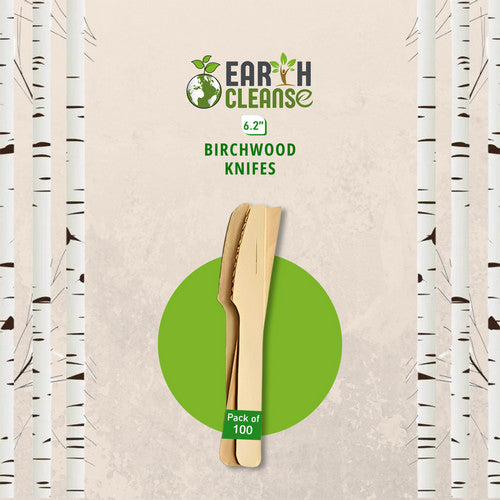
Shop the post: Compostable plates & bowls · Birchwood cutlery · Kraft cups.
Learn more: See the full picture on the Sustainability page; definitions in our Compostable vs Biodegradable vs Recyclable guide.
Helping restaurants, cafés, hotels and distributors go greener.
Switching a business to sustainable packaging is part values, part operations, and part maths. This hub is the practical playbook — how to audit what you use, map it to better alternatives, stay ahead of plastic regulation, and make the numbers work.
We're honest about cost and about the formats where recyclable, reusable options are still the right bridge — and we share exactly how we help you switch without disrupting service.
