

Material Spotlights

Material Spotlights · by EarthCleanse Team · 5 min read
The fibre left after juicing sugarcane makes a surprisingly tough, microwave-safe bowl.
Upcycled, not grown for waste

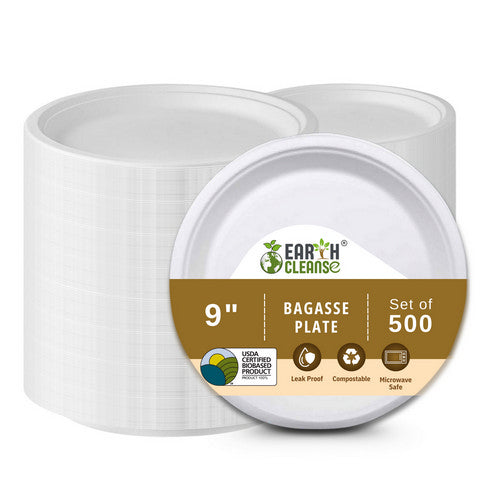
Bagasse is what's left after sugarcane is crushed for juice — a by-product that used to be burned or dumped. Turning it into tableware upcycles an existing waste stream, which is part of why its carbon footprint is so low: around 93% lower CO2 than paper and 69% lower than plastic per kilogram.
Tougher than it looks

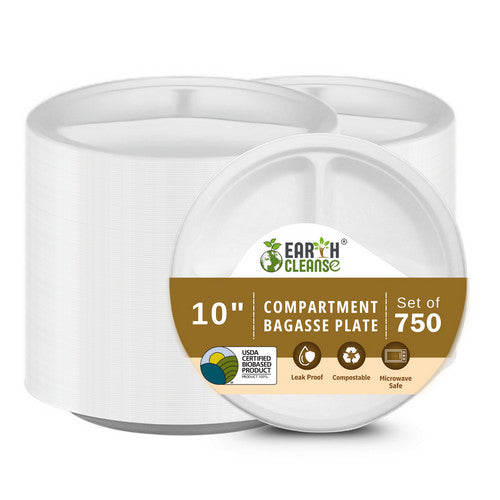
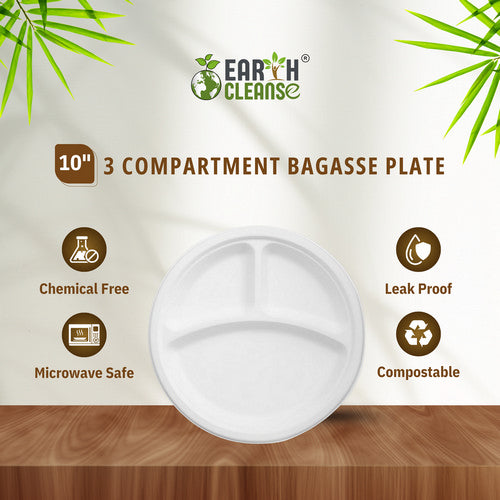
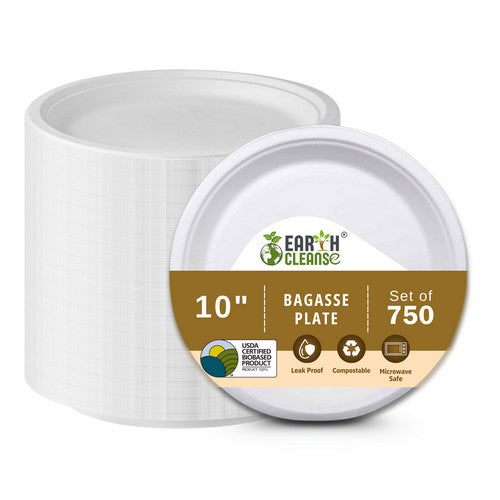
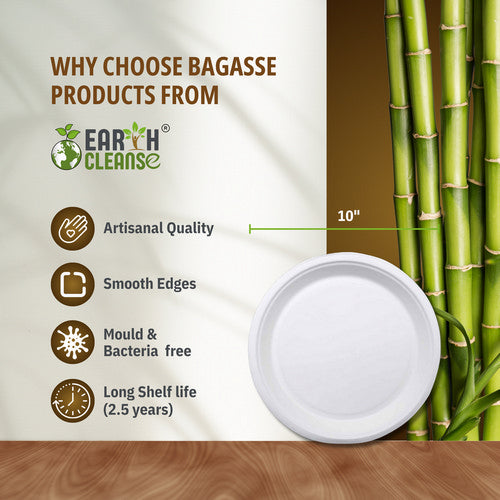
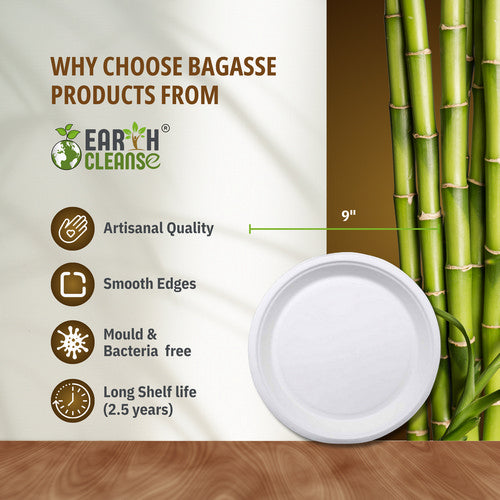
Moulded bagasse is sturdy, grease-resistant and leak-resistant, and it's microwave-safe to 250°F — so it handles hot, saucy, real food, not just dry snacks. That performance is why it's a foodservice favourite.
Back to soil

Bagasse plates, bowls and trays compost in roughly 60–90 days in active composting — no microplastics, no residue, just soil.
Key takeaways
Bagasse upcycles sugarcane waste — very low carbon.
Microwave-safe to 250°F, grease- and leak-resistant.
Composts in roughly 60–90 days.
Shop the post: Bagasse plates · Bowls · Trays · Clamshells.
Learn more: More material science on the Sustainability page; testing on Certifications.
